
PROJECT
LeARn4Assembly
FUNDING CONTEXT
Federal Ministry for Economic Affairs and Energy (BMWE)
AREAS OF APPLICATION
Manufacturing / Learning and Assistance Systems / Assembly Operations / Industry 4.0
VR and AR Learning and Assistance Systems for Assembly and Production
Client Requirements
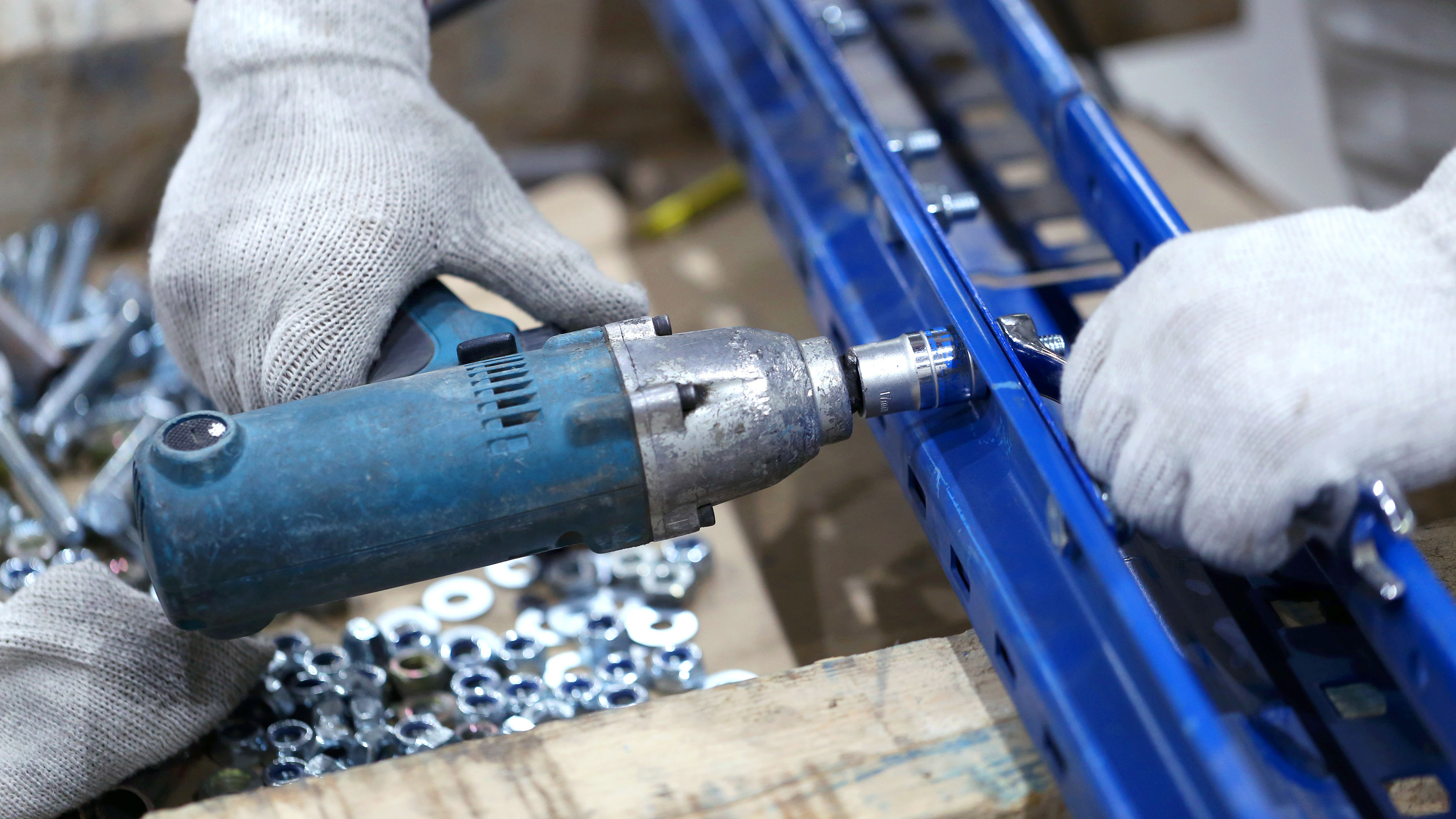
The increasing customization of production, small batch sizes, and current demographic trends require new approaches to employee training. Complex assembly and disassembly processes place high demands on skilled workers, especially when rapid proficiency is required alongside sustainable learning.
While traditional assistance systems provide step-by-step instructions for the task at hand, they offer little support for the learning process: They are often instructional in nature, not very adaptive, and take only limited account of employees’ individual backgrounds.
OUR SOLUTION
Didactically Optimized VR and AR Assistance Systems
In the LeARn4Assembly (in German) research project, SZENARIS collaborated with partners from industry and academia to develop VR- and AR-based learning and assistance systems for assembly and disassembly tasks. Unlike purely instructional assistance systems, these solutions are didactically designed to promote active engagement and support long-term learning.
Personalized Learning Processes
The systems adapt to employees’ individual situations and learning goals. Both the characteristics of the tasks at hand and employees’ prior knowledge are incorporated into the learning and assistance processes, ensuring that employees at different skill levels receive targeted support.
Integration of VR and AR Technologies
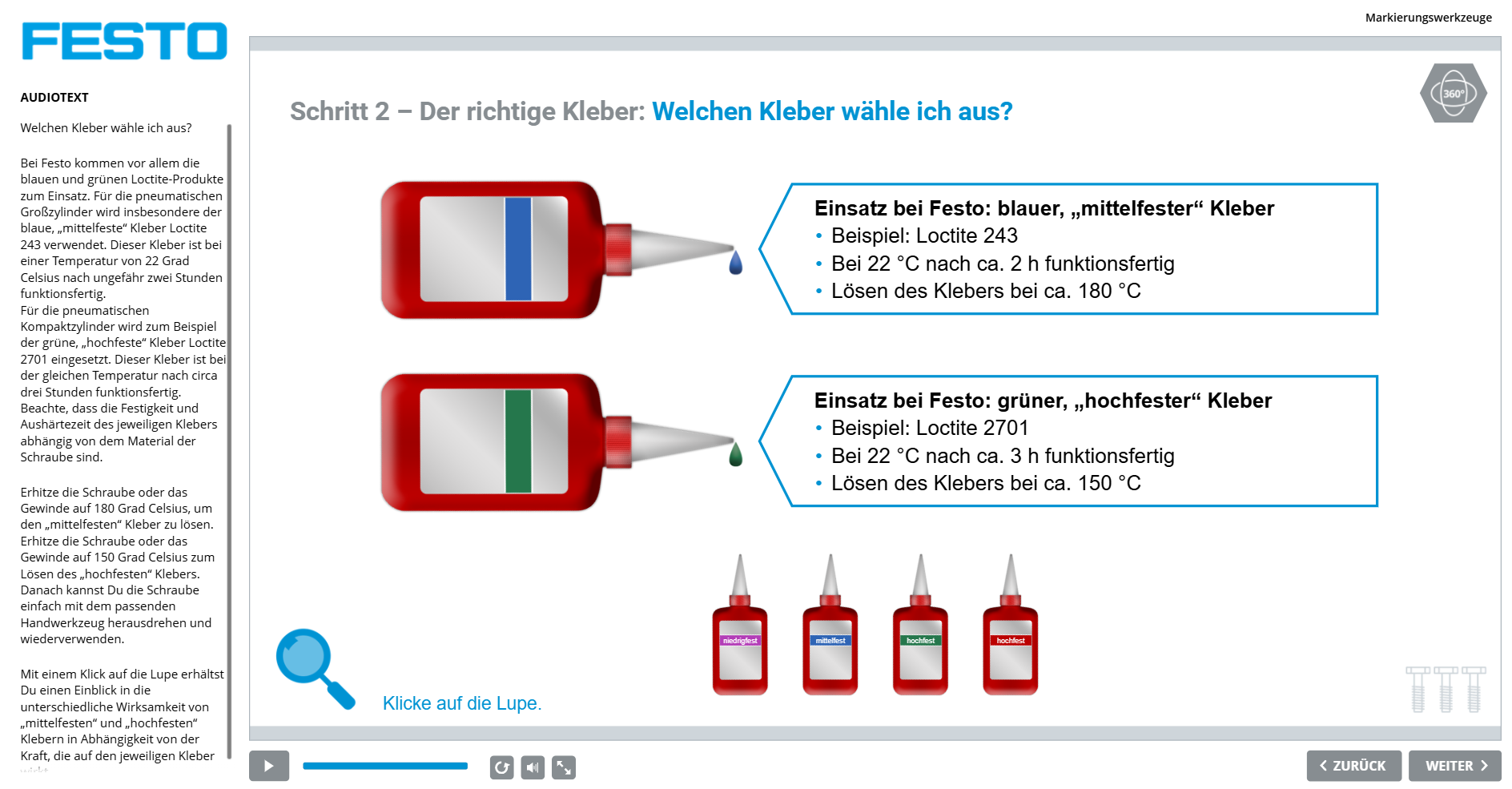
The prototypical scenarios enable employees to interactively test assembly and disassembly processes and apply them directly in practice. Through VR and AR visualizations, complex work steps can be practiced in a controlled virtual environment before being carried out on the actual equipment.
Dynamic Assistance and Recommendations for Action
The systems provide context-appropriate support and feedback, thereby promoting both rapid skill development and sustainable learning. Concrete recommendations for action can be derived from the evaluations of the prototypes, both for instructional design and for the selection and practical application of the technology.
RESULTS & BENEFITS
An effective combination of assistance and active learning for complex assembly tasks
Adaptation to individual prior knowledge and personal learning goals
Interactive VR and AR training scenarios for safe practice and error prevention
Scientifically based recommendations for the instructional design of assistance systems
Support for employees in Industry 4.0 environments with small batch sizes and high product variability
Transferable principles for the design of future learning and assistance systems
Interested in a similar solution?
SZENARIS develops VR and AR learning and assistance systems for production, assembly,
and complex industrial work processes.